
Learning to Notice What’s Already There
On nature, attention, and making sense of complex systems
A reflection on attention, nature, and the tools that have shaped how I pay attention.
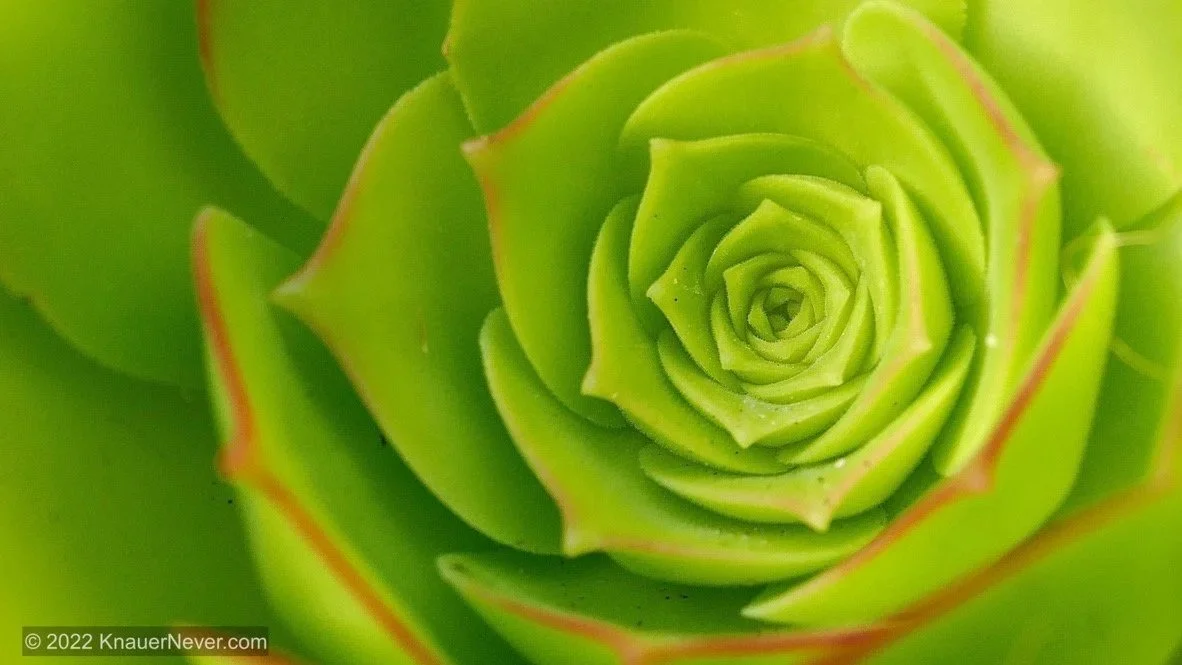
There’s a common belief that technology pulls us away from nature. That screens replace presence and distance us from the living world.
I’ve understood that concern. I’ve also spent much of my life noticing something that complicates it.
Under the right conditions, some tools don’t distract us from nature. They help us notice it. Not by adding meaning, but by making patterns visible that were already there.
This isn’t a defense of technology. It’s an exploration of attention. How it forms, how it fades, and how it can be supported in complex systems, ecological or economic.
Learning to Pay Attention
I’ve been fascinated with nature for as long as I can remember.
As a child, I spent entire days wandering the woods behind my house. There was no plan. I followed turtles, watched deer from a distance, turned over rocks to see what lived underneath. Insects. Trees. Plants. I wasn’t trying to learn anything specific. I was paying attention because that’s what felt natural to do.
That relationship never really went away. Over time, nature became a companion and a teacher. Something I’ve tried to protect through my work and my choices, even as the shape of that work changed.
When my own children were young, I found myself returning to many of the same habits. Long walks. Stopping without an agenda. Paying attention together. I didn’t think of it as teaching. It felt more like staying open alongside them.
They’re grown now. They remain curious about the natural world and care about its wellbeing. I don’t see that as something I produced. It feels more like something that was allowed to take root.
Only later did I come across language that helped me understand why these experiences mattered.
Rachel Carson and the Question of Attention
Long before smartphones or sensors, Rachel Carson was asking a related question: how do people come to care about the living world around them?
In The Sense of Wonder, she argued that the problem wasn’t a lack of information. It was a breakdown in attention. Facts mattered, but only after curiosity had been cultivated. Teaching people about nature without first helping them experience it, she believed, rarely led to anything lasting.
One of her most practical observations was about the role of adults. Children are born curious. What keeps that curiosity alive, or lets it fade, is companionship. An adult willing to notice alongside a child, to slow down and ask questions without rushing to answers, helps sustain that orientation to the world. Not by instructing, but by sharing attention.
Carson also emphasized sensory experience. Sight, sound, touch. Not because knowledge is unimportant, but because abstraction too early breaks relationship. You’re unlikely to care about what never feels real.
She described this as “preparing the soil.” The goal is not to overwhelm with facts, but to build the desire to know. Curiosity first. Information later. Engagement tends to follow, and with it, a sense of care and participation in something larger than oneself.
What strikes me now is how current this still feels.
The conditions around us have changed. The human challenge has not.
As an adult, the conditions changed.
Time became scarcer. Attention more fragmented. Work and travel pulled me across places faster than I could come to know them. The woods behind my childhood home were replaced by unfamiliar landscapes, brief windows of quiet, and a steady stream of competing signals.
This is usually where the argument against technology enters. That tools pull us further away. That screens replace presence. That mediation weakens relationship.
I’ve understood that concern. What surprised me was something else.
The tools that ended up mattering most were not the ones that abstracted nature or tried to make it entertaining. They were the ones that helped me notice what was already there. They didn’t demand more attention. They shaped the attention I already had.
They helped turn noise into pattern.
From Noise to Pattern
Merlin was one of the first tools that changed how I paid attention. It helped me identify the diversity of bird species around me, wherever I happened to be. What had once sounded like a blur became more legible. Once I could name what I was hearing, I started listening differently. Not more intensely, but more selectively. Patterns began to form.
BirdWeather extended that shift over time. Instead of isolated moments, I could see longer arcs. Migration patterns. Seasonal variation. The difference between mating season calls and everyday presence. What had felt random began to feel contextual. I wasn’t just hearing birds. I was starting to understand when and why they were there.
PictureThis had a similar effect with plants. It grounded my attention in place. Vegetation stopped being background and started becoming information with consequences. Native or invasive. Edible or not. Familiar walks began to carry a different kind of awareness, not because I was trying to be more connected, but because I could finally make sense of what I was seeing.
Tools like iNaturalist and Seek added another layer. They made noticing participatory. Observations didn’t just stay with me. They became part of a shared record. Over time, that changed my sense of scale. What I noticed mattered, not because it was perfect, but because it contributed to a larger picture.
None of these tools created curiosity. That was already there. What they did was deepen it, by helping me see and identify more of what I was already experiencing.
Sense-Making Is the Work
I spend much of my time working with responsible, values-oriented business owners who are trying to make sense of complex systems. Markets shift. Signals multiply. What once felt legible can start to feel noisy.
The challenge is rarely a lack of effort or intelligence. More often, it’s a problem of attention. Too many inputs. Too little context. Decisions made in response to the loudest signal rather than the most meaningful one.
What I’ve experienced with tools like Merlin or BirdWeather closely mirrors this. These tools don’t tell you what to value. They help you distinguish signal from noise, see patterns over time, and understand what belongs where. Once that becomes possible, different kinds of decisions tend to follow.
This is not a moral argument. It is a practical one.
When people can make sense of the systems they’re part of, they often act with more care. Not because they are trying to be better, but because consequences are easier to see.
A Closing Question (or three)
I don’t think the question is whether technology connects us to nature or pulls us away from it.
The more useful question is what our attention is being trained to notice.
Where does noise still feel like signal to you?
What patterns are present but hard to see?
And what tools, if any, might help you notice what’s already there?
You don’t have to answer those questions all at once. But they’re worth carrying.
